Mold Abatement in Essex County, NJ
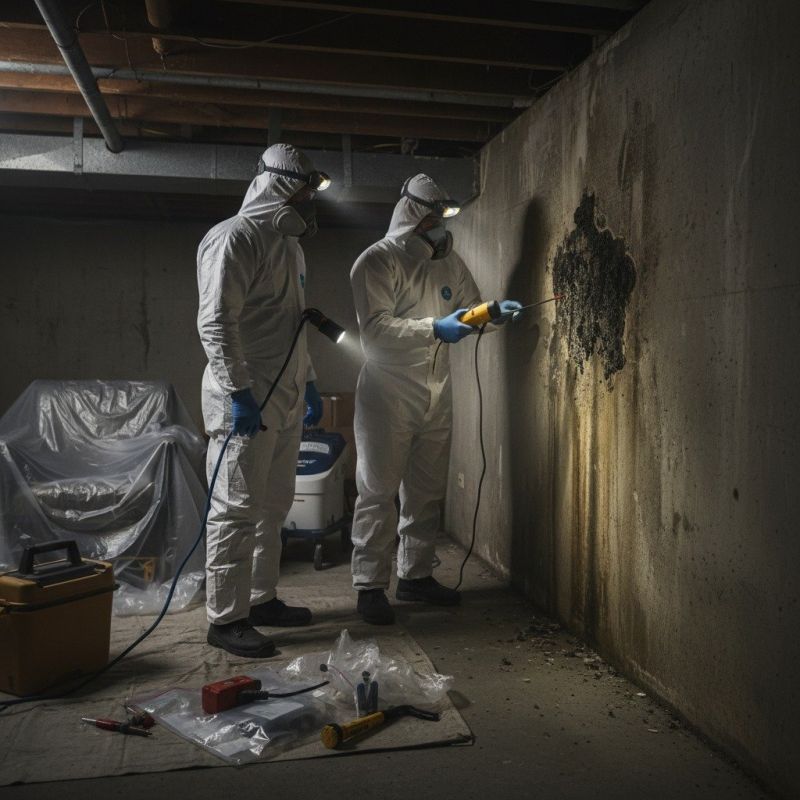
Mold abatement services involve the removal and cleanup of mold growth from residential properties, helping to improve indoor air quality and prevent potential health issues. These projects typically address mold found on walls, ceilings, floors, and other surfaces caused by moisture problems, leaks, or humidity. Property owners often seek this service after discovering mold during home inspections or noticing visible signs such as discoloration, musty odors, or allergic reactions among occupants. Understanding the extent of mold growth and the underlying moisture source is essential before requesting abatement to ensure effective removal and long-term prevention.
Before requesting mold abatement, property owners should consider the size and location of the affected areas and whether the mold growth appears to be extensive or localized. It is also helpful to know if there have been recent water issues or leaks that contributed to mold development. Clarifying the scope of work needed, including whether removal involves just surface cleaning or more comprehensive remediation, can assist in planning the project. Proper assessment and preparation can contribute to a thorough process aimed at restoring a healthy indoor environment.
Many property owners in Essex County, NJ look into Mold Abatement for repairs, replacements, upgrades, and appearance-related improvements.
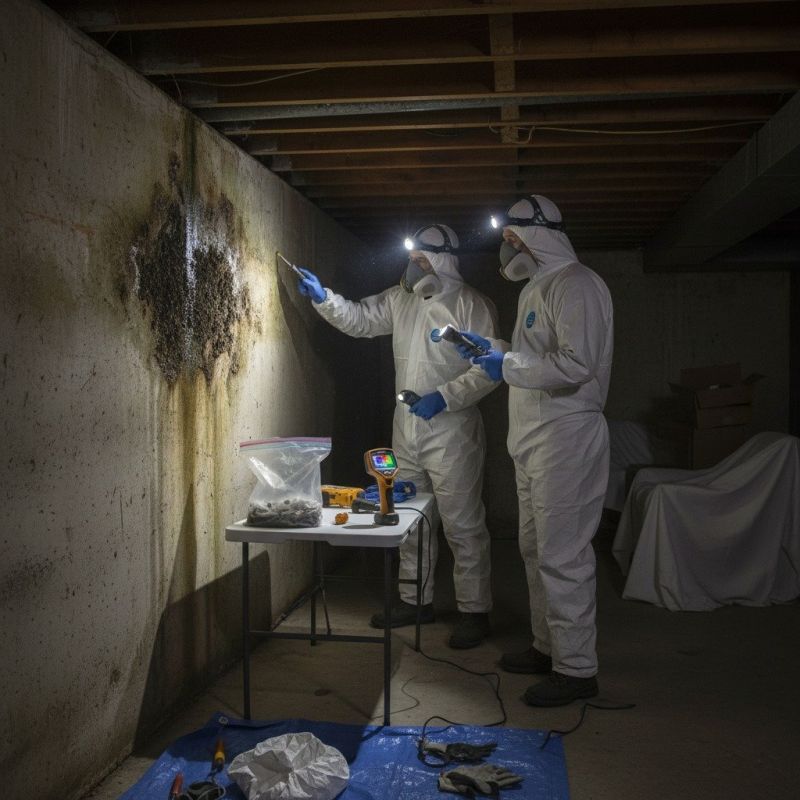
Mold Removal And Cleanup
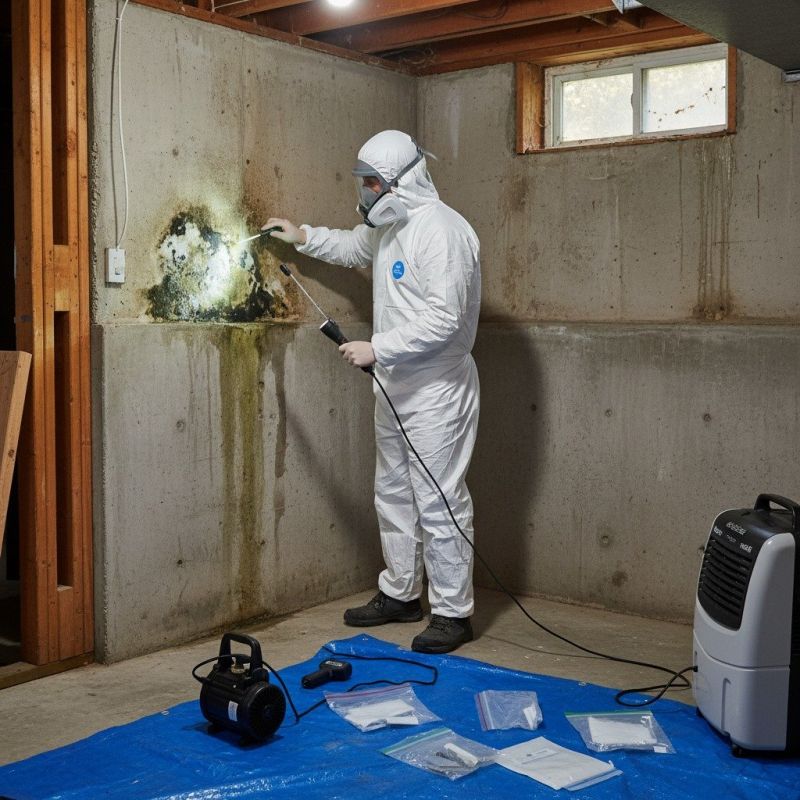
Effective mold abatement services help eliminate mold growth caused by leaks or humidity in homes and commercial spaces.
Health And Safety Assurance
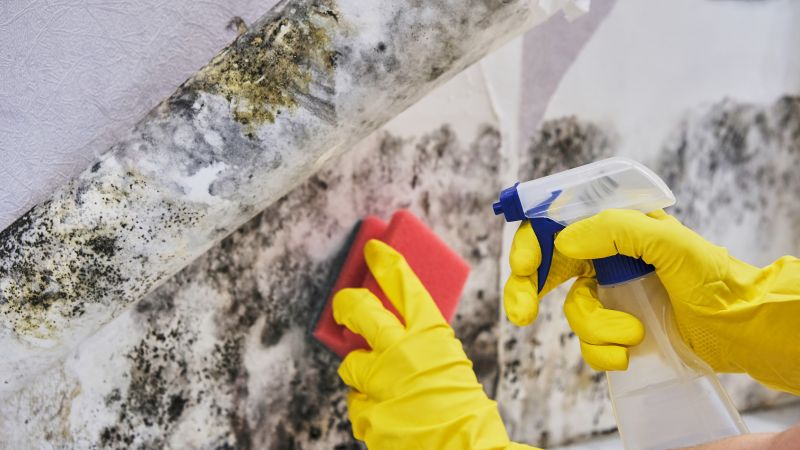
Professional mold abatement reduces health risks associated with mold exposure for residents and occupants.
Property Restoration Solutions
Mold abatement includes comprehensive cleaning and restoration to prevent future mold issues in essex county homes and buildings.
Mold Abatement in Essex County, NJ
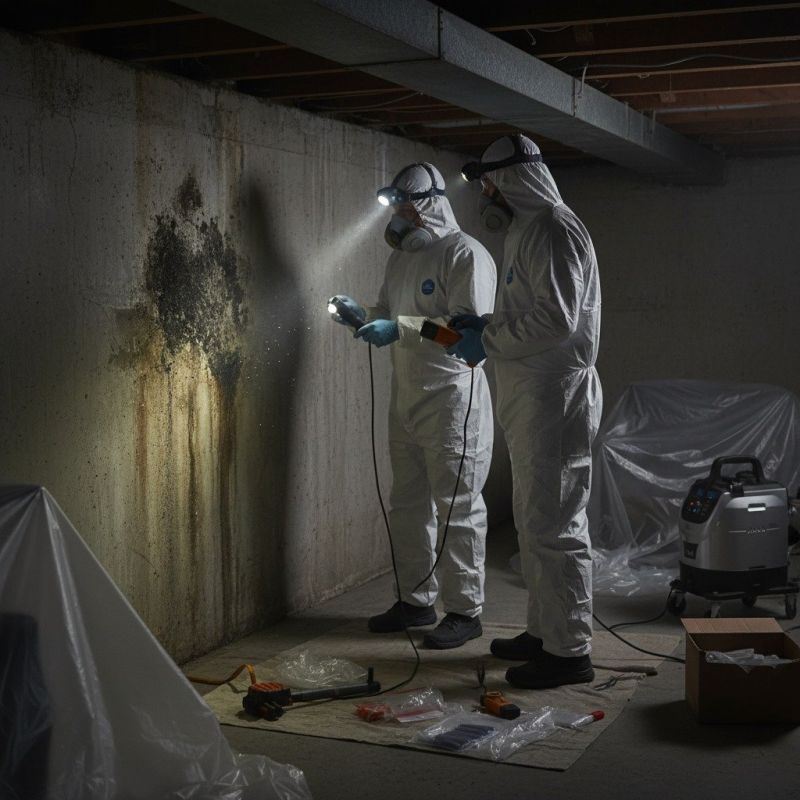
Mold abatement services involve the removal and cleanup of mold growth from residential properties, helping to improve indoor air quality and prevent potential health issues. These projects typically address mold found on walls, ceilings, floors, and other surfaces caused by moisture problems, leaks, or humidity. Property owners often seek this service after discovering mold during home inspections or noticing visible signs such as discoloration, musty odors, or allergic reactions among occupants. Understanding the extent of mold growth and the underlying moisture source is essential before requesting abatement to ensure effective removal and long-term prevention.
Before requesting mold abatement, property owners should consider the size and location of the affected areas and whether the mold growth appears to be extensive or localized. It is also helpful to know if there have been recent water issues or leaks that contributed to mold development. Clarifying the scope of work needed, including whether removal involves just surface cleaning or more comprehensive remediation, can assist in planning the project. Proper assessment and preparation can contribute to a thorough process aimed at restoring a healthy indoor environment.
Many property owners in Essex County, NJ look into Mold Abatement for repairs, replacements, upgrades, and appearance-related improvements.
Common Mold Abatement Jobs
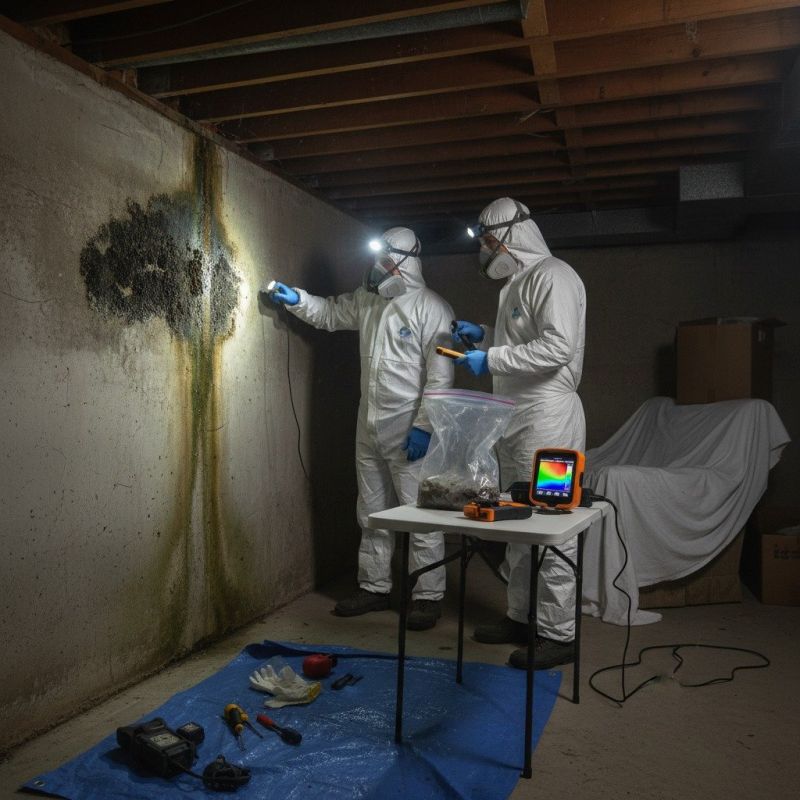
Mold removal - involves safely eliminating mold growth from affected areas of the property.
Water damage restoration - addresses moisture issues that can lead to mold development.
Structural drying - reduces humidity levels to prevent mold from returning after water intrusion.
Air quality testing - identifies mold spores in indoor air to assess contamination levels.
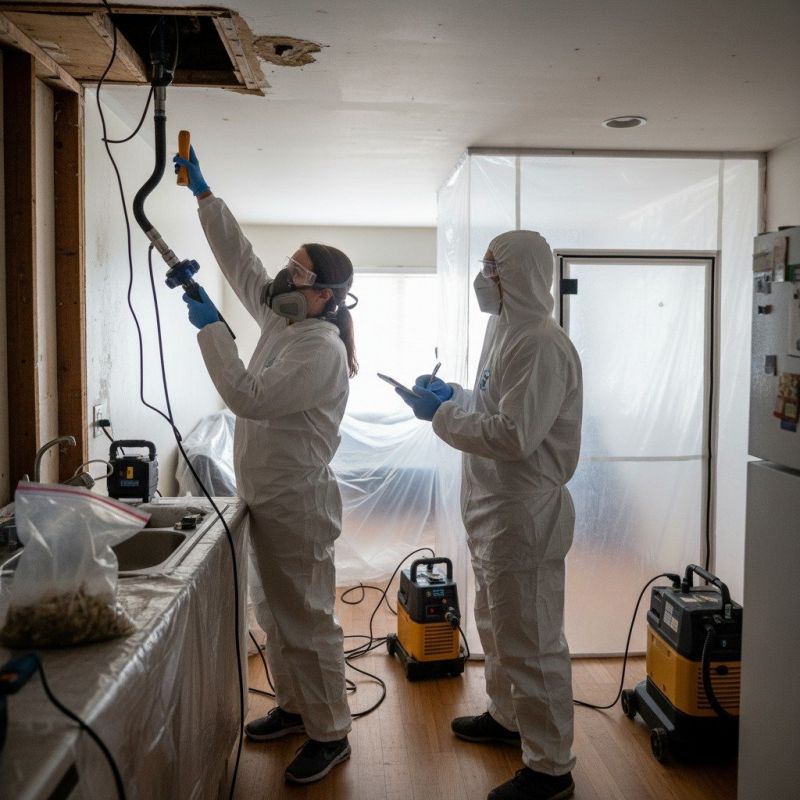
Containment services - isolates contaminated areas to prevent mold spores from spreading.
Surface cleaning and disinfection - removes mold residues from surfaces to ensure a clean, mold-free environment.
Mold Abatement Questions
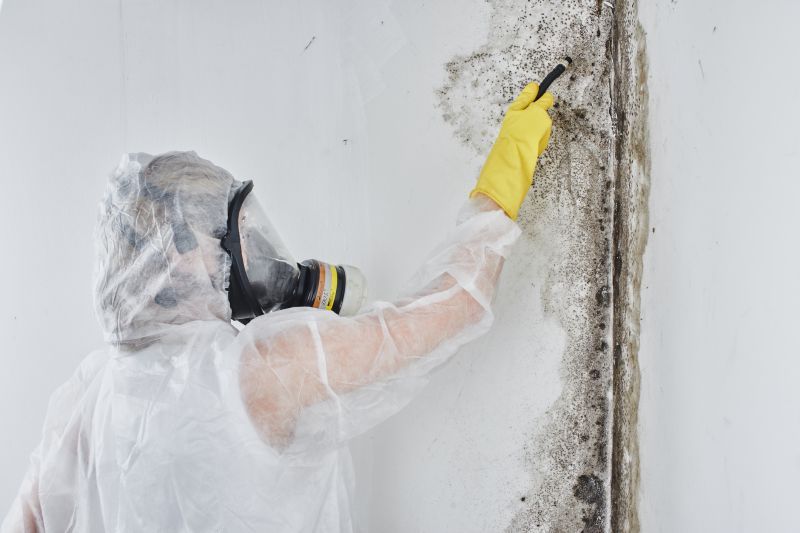
What is mold abatement? Mold abatement involves removing mold growth from indoor spaces to improve air quality and protect property health.
When is mold abatement necessary? It is recommended when visible mold is present or if there are signs of moisture problems that could lead to mold growth.
What types of projects require mold abatement? Projects include cleaning mold from walls, ceilings, HVAC systems, and other areas affected by moisture or water damage.
How does mold abatement improve property safety? It reduces mold spores and contaminants, helping to prevent health issues and further property damage caused by mold growth.
Request Mold Abatement in Essex County, NJ
Use the quote form on this page to share the basics of your project and request more information for the type of work you need.